What happens to your staff and your patients after you sell.
The question every owner asks, and should. This is how I run a treatment center. It comes from buildings I have run, not a playbook I bought.
Staff experience becomes patient experience.
A tech who feels looked after treats patients the way she is treated. That is the whole theory. So the first thing I fix in a building is how it feels to work there.
- Orientation is paid, and it is real. New hires shadow before they are counted in the ratio.
- Training is scheduled, not squeezed in. Charge nurses know what they are allowed to decide at 2 a.m.
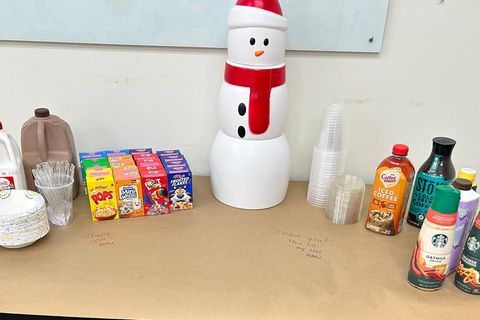
- Recognition is specific and frequent. A thank-you note on the breakfast bar. A board that fills up over a month. Someone's name said out loud in the morning huddle for a reason.
- Leaders stay close to the floor. Rounds every day. Lunch in the same room as the staff.
None of this costs much. All of it shows up in turnover, and turnover shows up in census.




The first 72 hours decide the stay.
Most people who leave against medical advice leave in the first three days. They are uncomfortable, they are scared, and the building is still a stranger to them.
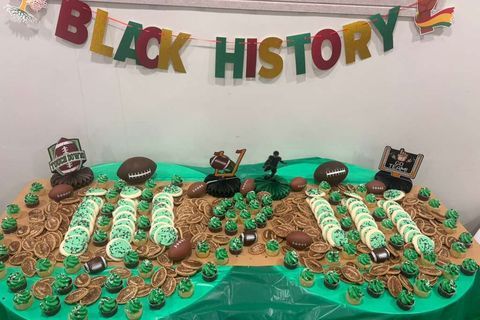
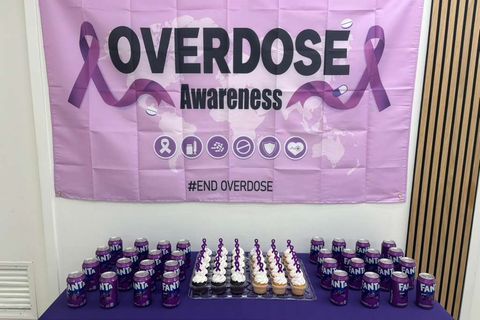
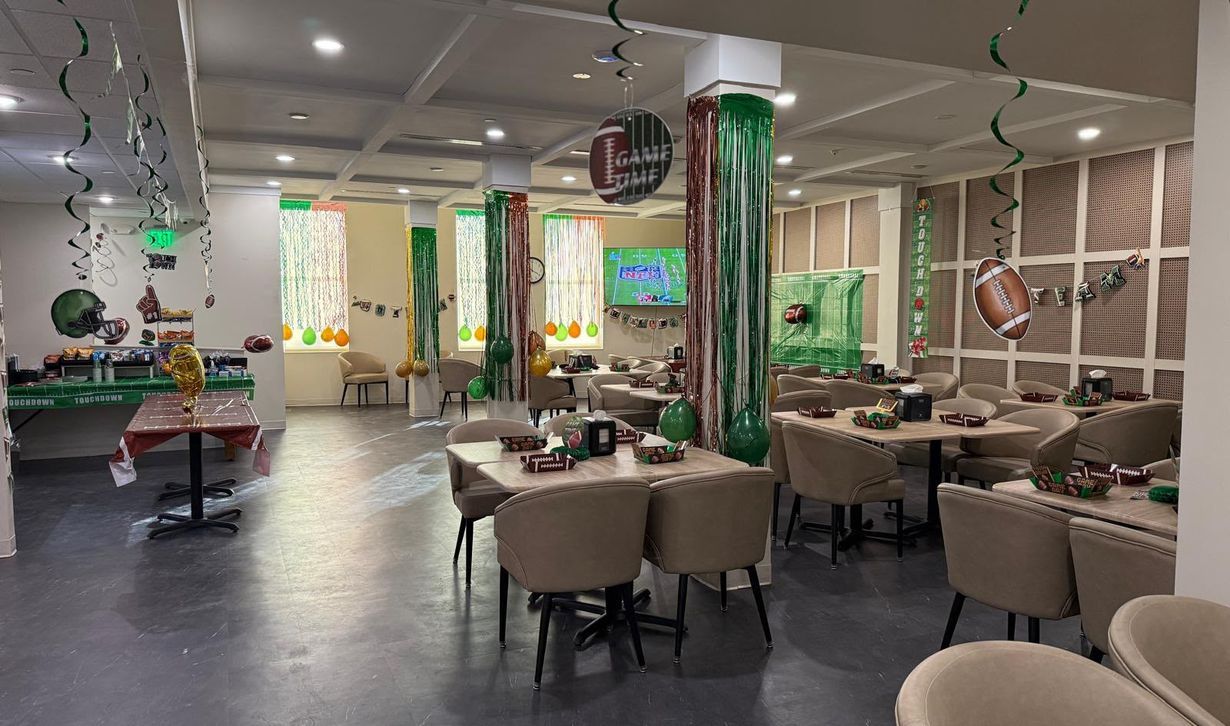
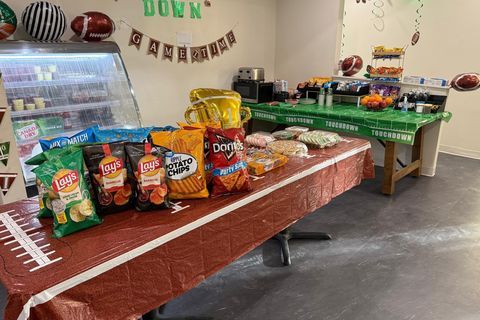
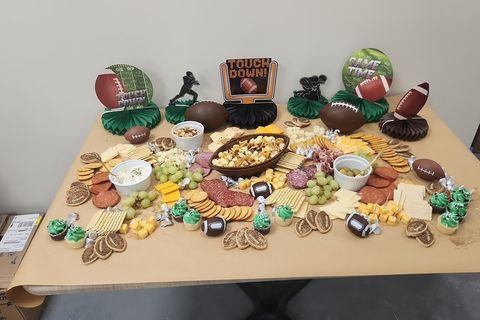
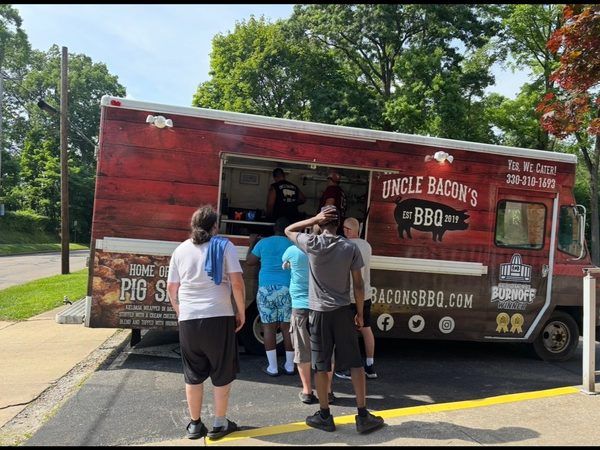
So the first three days get the most attention. Game days in the dining room. A food truck in the parking lot at lunch, snow or not. A themed spread on a weekend evening. A snack cart that comes around when the kitchen is closed.
It looks like fun. It is retention. A patient who has something to look forward to tomorrow is a patient who is still here tomorrow.


Recovery does not end at discharge.
Discharge is the start of the hard part. So the relationship does not end there.
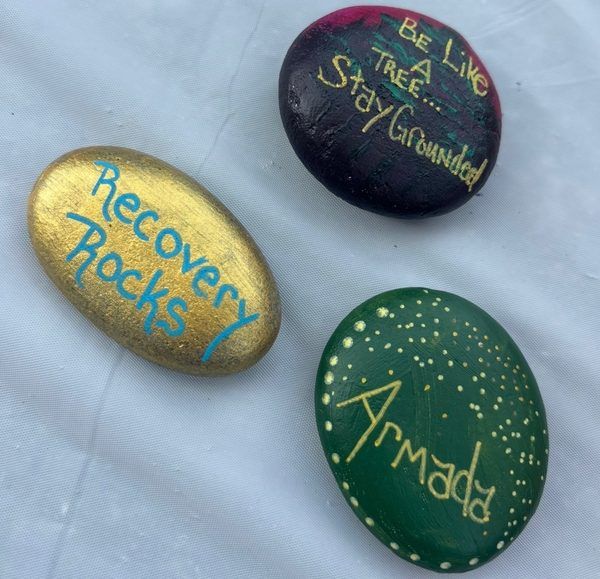
- A weekly alumni group, in the building, open to anyone who completed the program.
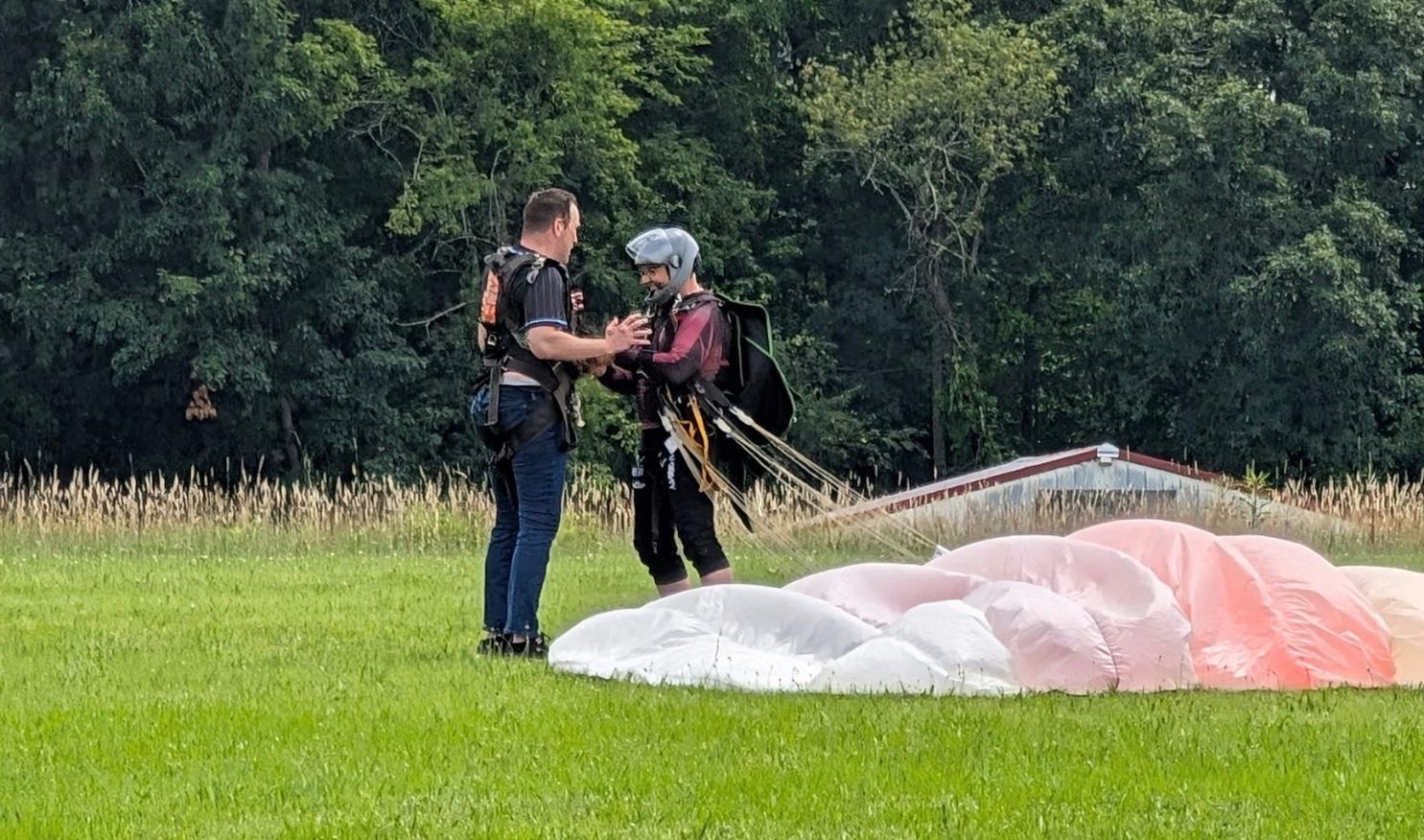
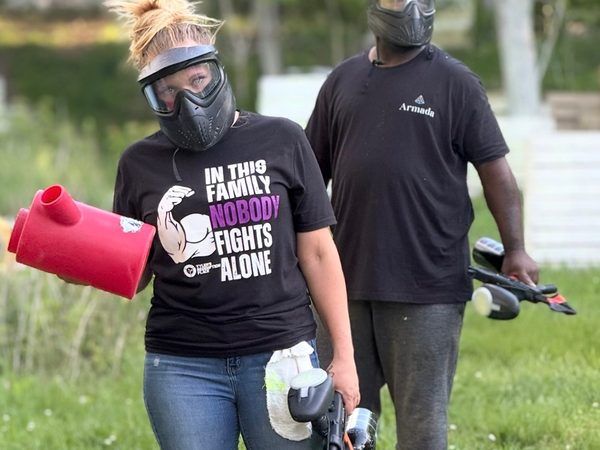
- One event a month. A cookout. Paintball. An escape room. Once, a tandem skydive.
- An alumni coordinator whose job is to check in, not to sell.
- A call at 30 days, from a person, not a system.
Alumni are also the best referral source a facility has. They send the people they care about. That only happens if they still feel cared about.
Good care needs a well-run business behind it.
Everything above depends on the building making money. A facility that cannot make payroll cannot keep good staff, and a facility that cannot keep good staff cannot keep patients.
So the operating work is unglamorous and daily. Staffing to census, not to hope. Billing worked from admission to clean claim, with one person who owns it. Payer contracts reviewed and renegotiated, not inherited. A number in front of a named owner every morning, so a problem shows up in hours instead of at month end.
Accountability is the quiet part. Every manager knows what they are measured on, and the measurement is visible to the people they lead.
If you own a facility and want to talk about what would happen to your people, call Shlomo at (305) 427-5409 or write to shlomo@weatherlypartners.com.